
Nature as Medicine - A Personal Reflection
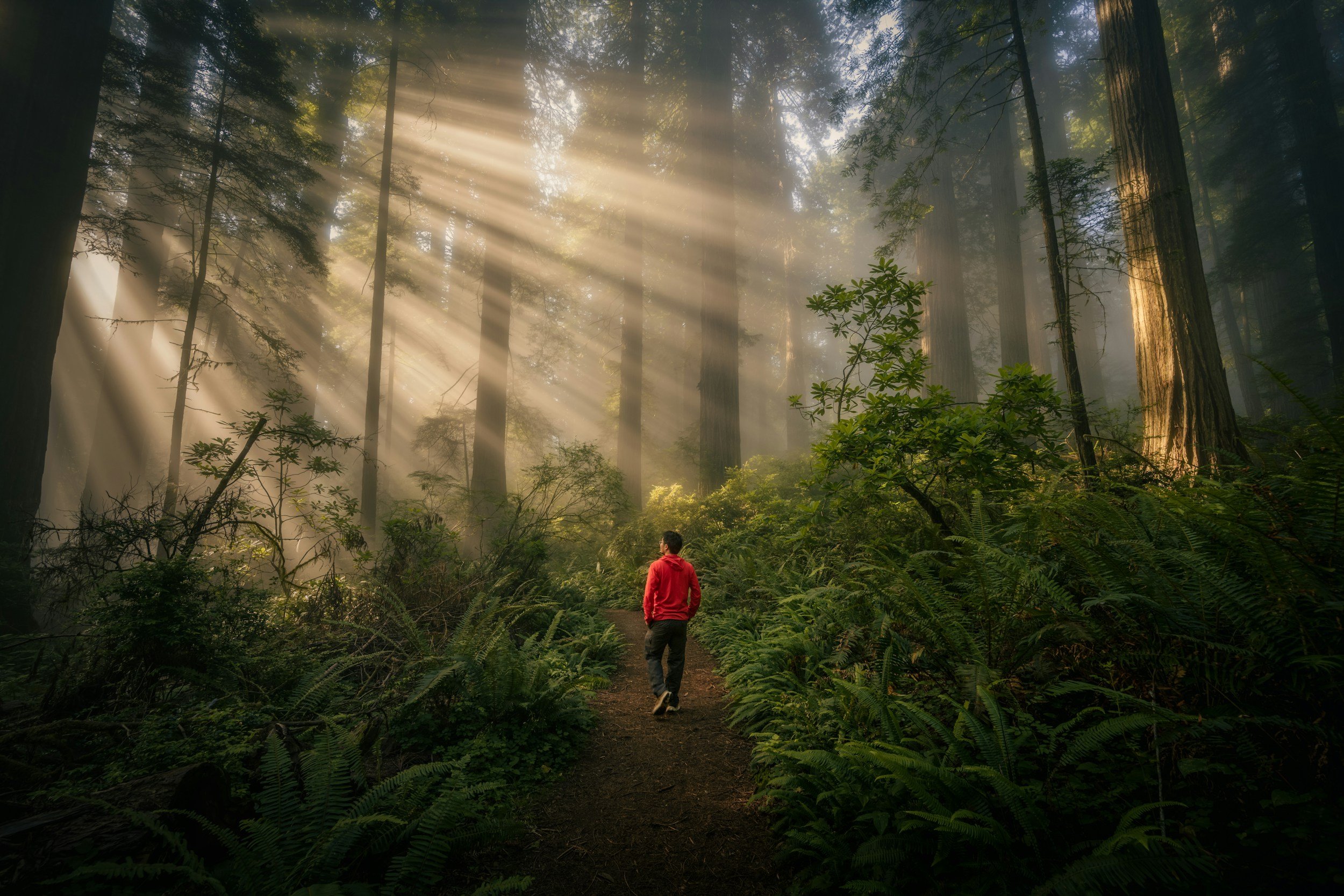
It is a running joke online that millenials are turning to wholesome, nature-based hobbies such as birdwatching, gardening, growing houseplants by the droves. But something unexpected happened as I started moving through my forties: I began to crave nature. Not in the dramatic sense of climbing mountains or disappearing into the wilderness, but in the simple, everyday ways. A walk beneath a canopy of trees. Sitting quietly by a river. Watching birds gather at a feeder. Planting herbs in the garden. Noticing the first buds of spring or the golden leaves of autumn.
For much of my life, nature was something I appreciated. Now, it feels like something I need.
Perhaps it is because modern life asks so much of us. We spend our days in front of screens, moving quickly from one task to the next, constantly consuming information. We are connected to everyone, yet often disconnected from the world immediately around us. Nature offers something different. It does not ask us to achieve, perform, optimize, or produce. It simply invites us to be present. It allows us to contemplate our connection to Mother Earth.
When I spend time outdoors, I find myself slowing down. My thoughts become quieter. My breathing deepens. Problems that felt urgent seem less overwhelming. I leave feeling grounded, restored, and somehow more myself. What I have come to realize is that reconnecting with nature is not another item on a wellness checklist. It is a relationship. One that has existed for as long as humans have walked the earth.
Part of this journey has also been inspired by my decision to begin studying herbal medicine. As a nutritionist, I have always been fascinated by the connection between food, health, and the human body. Yet exploring herbal medicine has opened an entirely new window into the natural world. I have found myself paying closer attention to the plants growing around me, wondering about their history, their ecological roles, and the ways humans have partnered with them for healing throughout time. What once appeared to be "just a plant" has become a living member of a complex and interconnected community offering so many benefits.
The more I learn, the more I appreciate the remarkable relationships that exist between plants, animals, insects, fungi, soil, water, and people. Every forest, meadow, and garden is filled with countless interactions that support life in ways we often overlook. Nature is not simply a collection of separate species; it is a web of relationships, each one contributing to the health and resilience of the whole. This growing understanding has deepened my respect for the natural world and strengthened my desire to spend more time in it—not as an observer standing apart from nature, but as a participant within it.
Over the past few years, several books have helped deepen my appreciation for this relationship. I invite you to check them out this summer in an effort to ground yourself and reconnect to nature.
Braiding Sweetgrass by Robin Wall Kimmerer beautifully blends Indigenous wisdom, ecology, and personal storytelling. It reminds us that the natural world is not simply a collection of resources, but a community to which we belong.
The Hidden Life of Trees by Peter Wohlleben and Mother Tree by Suzanne Simard reveal the remarkable interconnectedness of forests. Trees communicate, cooperate, and support one another in ways scientists are only beginning to understand. Did you know that there are fungi networks underground that act as a wood wide web of communication for trees and plants!?
In The Serviceberry, Robin Wall Kimmerer explores the idea of reciprocity and abundance, inviting us to imagine a more generous relationship with both nature and one another.
The Sacred Balance by David Suzuki offers a powerful reminder that human health and planetary health are inseparable.
For those interested in history, Fifty Plants That Changed the Course of History highlights the profound ways plants have shaped civilizations, cultures, and daily life.
And if you enjoy fiction, I highly recommend The Overstory by Richard Powers and Greenwood by Michael Christie. Both tell captivating stories that place forests, trees, and our relationship with the natural world at the centre of the narrative.
These books have changed the way I walk through nature. They have taught me to notice more, appreciate more, and feel a greater sense of belonging within the living world around me.
Summer offers a wonderful opportunity to begin or renew this connection. You don't need specialized equipment, a wilderness retreat, or hours of free time.
You might:
Take a daily walk outside without your phone
Sit under a tree and simply observe
Visit a local park or conservation area
Start a small herb or vegetable garden
Float in a lake and listen to the sounds all around you
Learn the names of the birds, trees, or wildflowers in your neighbourhood
Start making your own herbal remedies or use herbs in cooking
Read a nature-inspired book outdoors
Watch a sunrise or sunset
This summer, I invite you to step outside, slow down, and spend a little more time with the living world around you. You may discover, as I have, that nature is not somewhere we go. It is where we belong, and why I think so many of us are pulled toward Mother Nature as we age.
Courtney Rae Jones is a Registered Holistic Nutritionist. She is also a Culinary Nutrition Expert having completed her certification in alternative & specialized diets through the Academy of Culinary Nutrition. She specializes in digestive health and balancing women’s reproductive hormones. To work with Courtney, please contact us.