
Do I Have Parasites? What to Know
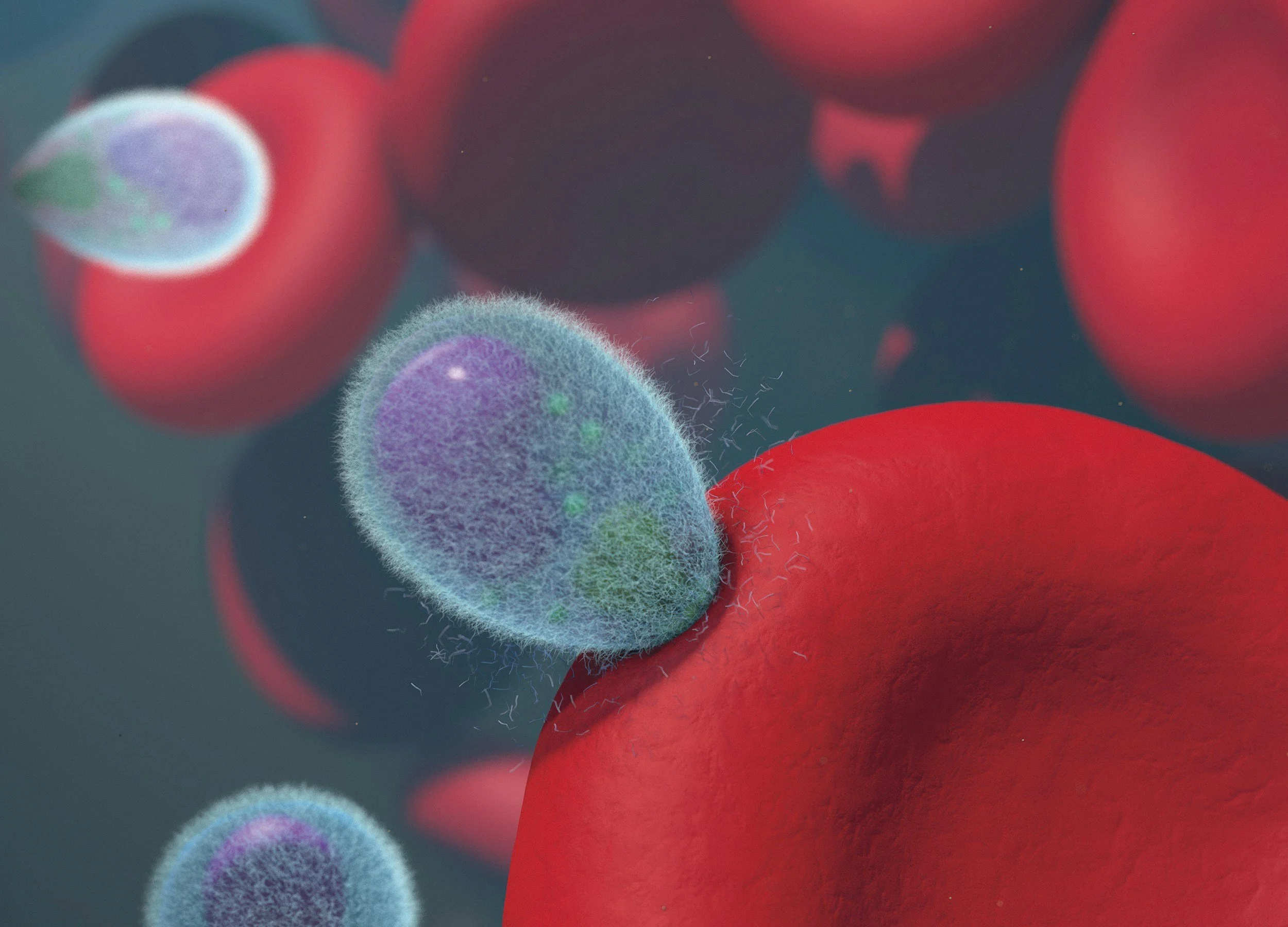
Do I Have Parasites? Understanding the Facts Before You Self-Diagnose
Parasites have become a popular topic in wellness spaces and on social media. Many people experiencing digestive discomfort, fatigue, or unexplained symptoms may begin to wonder if parasites are the cause. As a nutritionist, I get asked frequently about parasite testing and treatment options.
While intestinal parasites do exist and can affect human health, it’s important to understand that they are relatively uncommon in many developed countries and are often over-assumed as a cause of general health symptoms. Before jumping to conclusions or starting a “parasite cleanse,” it’s important to look at the full picture and work with a qualified healthcare professional.
What Are Parasites?
Parasites are organisms that live in or on a host and rely on that host for nutrients and survival. In humans, intestinal parasites are the most commonly discussed type. These can include protozoa (single-celled organisms) or helminths (worms).
Parasites can enter the body through contaminated food or water, poor sanitation conditions, or contact with infected individuals or animals.
Are Parasites Common?
In many parts of the world with limited access to clean water and sanitation, parasitic infections are more common. However, in countries with modern sanitation systems, parasites are much less common than many people believe. That doesn’t mean they never occur, but they are not usually the first explanation for symptoms like bloating or fatigue.
Who Is Most Likely to Contract a Parasite?
Certain situations increase the likelihood of parasitic infections. You may be at higher risk if you:
Recently traveled to regions where parasites are more prevalent
Consumed untreated or contaminated water
Ate undercooked meat, seafood, or unwashed produce
Work in childcare settings, where certain parasites spread more easily
Have close contact with infected animals
Participate in activities like swimming in untreated lakes or rivers
Have compromised immune function
In these cases, investigating the possibility of parasites with a healthcare provider may be appropriate.
Common Symptoms of a Parasitic Infection
When parasites are present, symptoms typically involve the gastrointestinal system, although they can vary depending on the organism.
Common symptoms may include:
Persistent diarrhea
Abdominal pain or cramping
Nausea or vomiting
Unexplained weight loss
Gas and bloating
Fatigue
Nutrient deficiencies
Itching around the anus (more common with certain worm infections)
However, these symptoms are not unique to parasites and are far more commonly caused by other digestive or metabolic conditions.
Other Common Causes of Similar Symptoms
Before assuming parasites are the issue, it’s important to consider other, more common explanations for digestive or systemic symptoms, such as:
Food intolerances (such as lactose intolerance)
Irritable bowel syndrome (IBS)
Small Intestinal Bacterial Overgrowth (SIBO)
Gut microbiome imbalances
Chronic stress
Poor sleep
Nutrient deficiencies
Hormonal imbalances
Inflammatory digestive conditions
Digestives cancers (although more rare)
These conditions are far more frequently responsible for symptoms like bloating, fatigue, and irregular digestion.
Why Self-Diagnosing Can Be Problematic
Many “parasite cleanses” marketed online promise to eliminate hidden infections. However, these products are often taken without proper testing or confirmation of a parasitic infection.
Self-treating without guidance can lead to:
Unnecessary supplement use
Digestive irritation
Delayed diagnosis of the real underlying issue
Potential interactions with medications
In many cases, people treat parasites that were never present.
How Parasites Are Properly Diagnosed
If a parasitic infection is suspected, healthcare professionals may recommend testing such as:
Stool analysis
Specific laboratory testing
Medical history review (including travel history)
Symptom evaluation
Testing helps determine whether parasites are actually present and which organism is involved, which is essential for choosing the right treatment.
Treatment Options: Medical and Natural Approaches
The good news is that parasitic infections are treatable. Depending on the type of parasite, treatment may involve:
Prescription antiparasitic medications
Targeted herbal protocols
Support for gut health during recovery
Both medical and natural approaches can be effective when used appropriately. The key is choosing the right treatment for the specific parasite, which requires proper diagnosis and professional guidance.
If you’re experiencing ongoing digestive symptoms or suspect a parasitic infection, professional guidance can help you determine the most effective next steps.
Courtney Rae Jones is a Registered Holistic Nutritionist. She is also a Culinary Nutrition Expert having completed her certification in alternative & specialized diets through the Academy of Culinary Nutrition. She specializes in digestive health and balancing women’s reproductive hormones. To work with Courtney, please contact us.