
A Smarter Approach to Supplementation & Avoid Toxicity Risks

When More Isn’t Better: A Nutritionist’s Guide to Safe Vitamin and Mineral Supplementation
In today’s wellness culture, supplements are often seen as harmless additions to a healthy lifestyle. Walk into any pharmacy or health store and you’ll find shelves lined with vitamins and minerals promising better immunity, stronger bones, improved energy, and more. While supplements can play an important role in supporting health, taking them indefinitely or without guidance can sometimes do more harm than good.
As a nutrition professional, one of the most common patterns I see is people starting a supplement for a short-term concern such as fatigue, stress or immune support, and then continuing it for months or even years without reassessing whether it is still necessary.
The truth is that vitamins and minerals are powerful nutrients. Our bodies need them in specific amounts, and too much of certain nutrients can create imbalances or even toxicity.
Why Long-Term OR HIGH-DOSE Supplementation Can Be Risky
Unlike water-soluble vitamins (such as vitamin C and most B vitamins), several vitamins and minerals can accumulate in the body over time. This means excess intake can build up rather than simply being excreted.
Here are a few common examples where caution is important.
Iron
Iron supplements are frequently used to treat low iron or anemia, but supplementing when levels are normal can lead to excess iron stores. High iron levels may contribute to digestive upset, oxidative stress, and in severe cases may affect organs such as the liver and heart.
It is also important to note that iron supplementation is not commonly needed for men or children unless there is a confirmed deficiency or a medical reason for iron loss, such as chronic bleeding (for example, bleeding ulcers or gastrointestinal conditions).
Women of reproductive age may have higher iron needs, particularly if they experience moderate to heavy menstrual bleeding. In these cases, checking iron levels through blood work can help determine whether supplementation is appropriate, and how much for how long.
Because iron status can change over time, supplementation should ideally be guided by lab testing and reassessed periodically.
Zinc
Zinc is widely used for immune support, but chronic high intake can actually suppress immune function and interfere with copper absorption, potentially leading to nutrient imbalances and side effects.
Magnesium
Magnesium is commonly used to support sleep, stress management, and muscle relaxation. While generally safe in appropriate amounts, excessive supplementation can lead to digestive issues such as diarrhea and may affect electrolyte balance in very high doses.
Vitamin D
Vitamin D plays an important role in bone health and immune function, and many people benefit from supplementation, especially in northern climates. However, very high doses taken long-term without monitoring can lead to excessive calcium levels in the blood, which may contribute to kidney issues or calcification of soft tissues.
Vitamin E
Often taken for its antioxidant benefits, high-dose vitamin E supplementation may interfere with normal blood clotting and could increase bleeding risk, particularly for individuals taking certain medications.
Vitamin A
Vitamin A is a fat-soluble vitamin stored in the liver. While essential for immune health, vision, and skin, excessive intake of preformed vitamin A (retinol) from supplements can accumulate in the body and lead to symptoms such as headaches, nausea, joint pain, and liver strain.
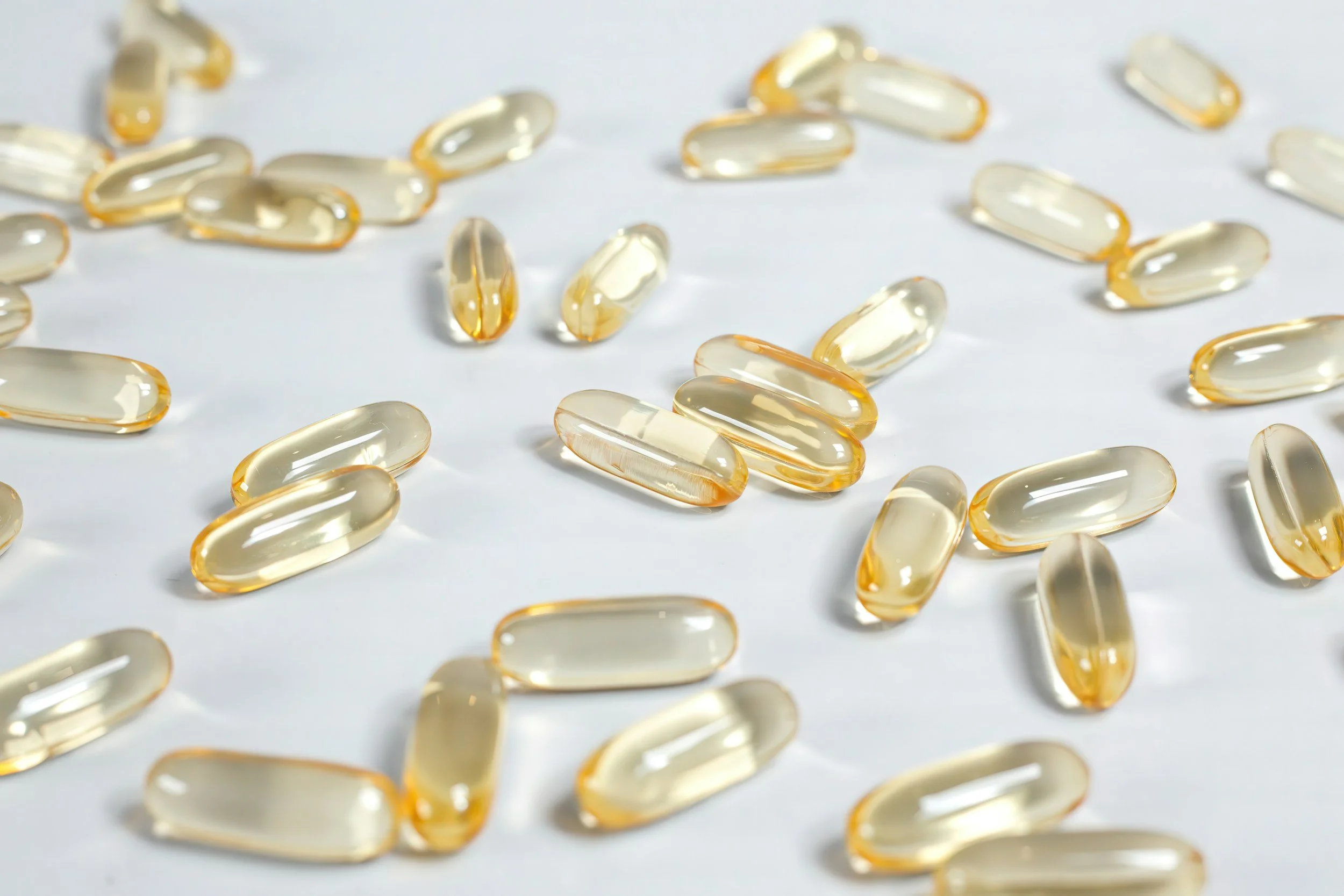
It is important to distinguish retinol from beta-carotene. Beta-carotene, found in orange and dark green vegetables, is a precursor that the body converts to vitamin A as needed and does not carry the same toxicity risk as high-dose retinol supplements.Products that contain concentrated sources of retinol, such as cod liver oil, should therefore be taken with particular caution and ideally under professional guidance.
Supplements Should Support, Not Replace, Nutrition
It’s important to remember that supplements are designed to supplement, not replace a balanced diet. Whole foods provide nutrients in complex combinations along with fiber, antioxidants, and phytochemicals that cannot be replicated in a pill.
Many nutrient concerns can often be addressed through dietary adjustments before long-term supplementation is necessary.
When Supplements Can Be Helpful
There are absolutely situations where supplements are beneficial or even necessary. These may include:
Confirmed nutrient deficiencies
Increased needs during pregnancy
Restricted diets
Certain medical conditions
Limited sun exposure (for vitamin D)
Periods of increased stress or illness
In these cases, supplements can be an effective short-term tool to restore balance.
A Smarter Approach to Supplementation
Rather than taking supplements indefinitely, a more thoughtful approach includes:
Identifying whether a deficiency or increased need actually exists
Using supplements for a defined period of time
Reassessing symptoms or blood work when appropriate
Adjusting dosage or discontinuing once levels are restored
Working with a qualified health professional such as a nutritionist or dietitian can help ensure that supplementation is personalized, targeted, and safe. They can also offer you forms that will meet your dietary needs while limiting side effects such as gas, bloating, nausea, diarrhea, constipation, etc.
Courtney Rae Jones is a Registered Holistic Nutritionist. She is also a Culinary Nutrition Expert having completed her certification in alternative & specialized diets through the Academy of Culinary Nutrition. She specializes in digestive health and balancing women’s reproductive hormones. To work with Courtney, please contact us.